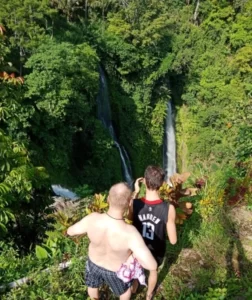
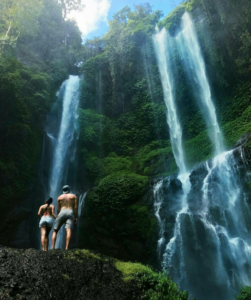
A natural waterslide at a waterfall may sound like an unforgettable Bali adventure. However, sliding down a smooth-looking rock formation can involve risks that are difficult to judge from photographs or short travel videos. Water depth, slippery surfaces, submerged obstacles, and changing currents can all affect whether an activity is appropriate on a particular day.
Sekumpul Waterfall, in northern Bali, attracts visitors who want to explore waterfalls and enjoy the surrounding tropical landscape. Some longer trekking packages also advertise a natural waterslide experience. Yet an activity appearing in a package description does not guarantee that it will be available or safe during your visit.
Before trying a natural waterslide at Sekumpul Waterfall, understand how the activity works, what hazards to consider, and why local guidance matters. This guide covers the essential questions to ask, the precautions to follow, and alternative ways to enjoy the waterfall area if conditions are unsuitable.
What Is the Sekumpul Waterfall Natural Waterslide?
A natural waterslide uses a sloping rock surface and flowing water to create a sliding experience. Unlike a manufactured waterpark slide, a natural formation does not have a standardised surface, controlled water flow, or a uniform landing area.
At Sekumpul Waterfall, the natural waterslide is listed among the activities associated with the Long Trip trekking package. However, the exact location, access arrangements, and operating conditions should be confirmed directly with the local operator.
Natural rock formations can change in appearance depending on moisture, algae, debris, and water flow. A surface that looks smooth from a distance may contain rough patches, cracks, or submerged obstacles.
Before participating, establish the following details:
- Location: Ask your guide to identify the designated waterslide area.
- Permission: Confirm that the activity is permitted on your visit date.
- Current conditions: Ask whether recent rainfall or changing water flow affects the site.
- Landing area: Find out how local staff assess the water and the area where participants finish.
- Participation rules: Confirm any age, health, or physical restrictions.
- Alternative options: Ask what you can do if the waterslide is unavailable or unsuitable.
These questions help you understand the experience before deciding whether to participate.
Is the Natural Waterslide Safe?
A natural waterslide is not automatically safe just because local visitors or tourists have used it before. Conditions can change, and the same rock formation may present different hazards after rainfall or changes in water flow.
Slippery rocks and unpredictable surfaces
Water, algae, and wet vegetation can make rock surfaces slippery. A participant may lose balance while approaching the slide, entering the water, or climbing out afterwards.
Some surfaces may also contain rough edges or irregularities that increase the chance of cuts, bruises, or impact injuries.
Hidden obstacles and water depth
The landing area may contain submerged rocks, branches, or uneven depths. Water can also make these hazards difficult to see.
Never assume that a pool is deep enough or free of obstacles because someone else has used the waterslide successfully. A visual inspection alone cannot establish that the landing area is safe.
Currents and changing water levels
Flowing water may push participants towards rocks or make it difficult to regain their footing. Heavy rain can increase water flow and introduce debris, even when conditions at the starting point initially appear manageable.
If local staff cannot confirm that the activity is appropriate under current conditions, do not participate. There is no need to take unnecessary risks to complete an advertised activity.
What Should You Check Before Trying the Waterslide?
A few questions can help you make a better decision before entering the water. Nevertheless, these checks do not replace the judgement of qualified local staff who understand the site.
Ask your local guide about conditions
Before approaching the waterslide, ask whether the activity is currently operating and whether any restrictions apply.
Useful questions include:
- Has the route been checked following recent rainfall?
- Are water levels and currents suitable for the activity?
- Has the landing area been assessed for underwater hazards?
- Is there a safe way to enter and leave the water?
- Who should avoid the activity?
- Can you skip the waterslide and continue the trek?
Listen carefully to the answers. If the guide advises against participation, follow that recommendation rather than looking for another place to slide.
Do not rely on photographs or previous visits
Travel videos rarely show every relevant safety detail. A camera may not reveal the depth of the water, the condition of the rocks, or the strength of the current.
Similarly, conditions from a previous visit may no longer apply. Rainfall, debris, and changes in water flow can alter the site.
Avoid testing an unfamiliar surface by sliding a short distance first. A small test does not prove that the entire route or landing area is safe.
Safety Rules for a Natural Waterslide Experience
If the operator confirms that the activity is permitted and appropriate, follow the designated instructions throughout the experience. Remember that no precaution can eliminate every risk associated with natural water.
Follow the designated route. Do not climb onto unapproved rock formations or use an alternative starting point.
Follow your guide’s instructions. Ask for clarification if you do not understand the entry, sliding, or exit procedure.
Never dive headfirst. Avoid entering unfamiliar water headfirst because submerged obstacles can cause severe head or spinal injuries.
Do not participate under pressure. Other visitors may feel comfortable trying the waterslide, but their decisions do not determine your ability or the safety of the conditions.
Avoid alcohol and impairing substances. They can reduce coordination, awareness, and judgement.
Skip the activity if you feel unwell or uncomfortable. Fatigue, dizziness, injury, or uncertainty can make an already demanding outdoor activity more difficult.
Respect weather warnings and restrictions. If the operator closes the area or suspends the activity, do not attempt it independently.
If you see someone struggling in the water, alert your guide and seek emergency assistance. Do not enter a dangerous current yourself unless you are trained and can perform a rescue safely.
For additional precautions around natural pools and flowing water, read this guide to Sekumpul Waterfall swimming safety.
Can You Try the Natural Waterslide on the Long Trip?
The Sekumpul Waterfalls Long Trip package description lists a natural waterslide alongside other experiences, including access to waterfalls, rice terraces, and cliff jumping. The itinerary also describes local guide services and motorcycle transfers between designated access points.
However, the advertised inclusion should not be treated as a guarantee that the waterslide will operate on your chosen date. Current water conditions, weather, local restrictions, and the operator’s safety assessment may affect availability.
Before booking, clarify:
- Whether the natural waterslide is currently available.
- Whether participation is optional.
- Which safety instructions and restrictions apply.
- Whether the operator may cancel the activity because of conditions.
- What other experiences remain available if the waterslide is unsuitable.
Review the Sekumpul Waterfalls Long Trip package and confirm its current details with the operator.
Also, consider whether the complete trek matches your fitness level and available time. A longer package can involve several hours of walking, so plan for the trek itself rather than focusing exclusively on the waterslide.
Who Should Avoid the Natural Waterslide?
Not everyone will feel comfortable or benefit from trying a natural waterslide. Your decision should account for your physical condition, confidence in natural water, and the specific risks at the location.
Consider skipping the activity if you:
- Cannot swim confidently or feel uncomfortable in natural water.
- Have an injury or physical condition that could make sliding or entering the water unsafe.
- Feel dizzy, exhausted, or unwell.
- Are concerned about the landing area or current water conditions.
- Cannot understand or follow the local safety instructions.
- Are visiting with a child who does not meet the operator’s requirements.
Parents should never assume that a natural waterslide is suitable for children simply because it appears in a family travel video. Ask about age restrictions, water depth, supervision, and the physical demands of the activity.
Most importantly, you do not need to try the waterslide to enjoy Sekumpul Waterfall. Choosing not to participate is a sensible decision whenever the risks exceed your comfort level.
Enjoy Sekumpul Waterfall Without Taking Unnecessary Risks
The natural waterslide may be an appealing part of a waterfall adventure, but the surrounding scenery offers plenty of reasons to visit without participating in every activity.
Consider these alternatives:
- Explore designated waterfall viewpoints with a local guide.
- Take photographs from stable, approved areas.
- Enjoy the walk through the surrounding tropical landscape.
- Visit additional waterfalls included in your trekking route.
- Explore nearby rice terraces if your chosen package includes access.
You can still enjoy a rewarding day without entering the water. In fact, skipping an activity that feels unsafe may allow you to focus more fully on the landscape and the overall trekking experience.
For destination information and current trekking options, visit the Sekumpul & Fiji Waterfalls website. Confirm the latest itinerary and ask about the natural waterslide before finalising your plans.
Frequently Asked Questions
1. Does Sekumpul Waterfall have a natural waterslide?
The natural waterslide appears in the advertised activities for the Sekumpul Waterfalls Long Trip. Confirm its current availability and location with the operator before travelling.
2. Is the Sekumpul Waterfall natural waterslide safe?
Its safety depends on the location, water flow, landing area, weather, and local restrictions. Never participate if the guide cannot confirm that conditions are appropriate.
3. Can children use the natural waterslide?
Do not assume the activity is suitable for children. Ask the operator about age restrictions, physical requirements, supervision, and current conditions before considering participation.
4. Can I use the waterslide after rain?
Rain can change water flow, increase currents, and make rocks slippery. Avoid the activity when conditions are uncertain and follow local guidance.
5. Is the natural waterslide included in the Long Trip package?
The package description lists a natural waterslide among its activities, but availability may depend on current conditions. Confirm the latest inclusions with the operator before booking.
Plan Your Visit to Sekumpul Waterfall
A natural waterslide can add excitement to a waterfall trip, but it should never take priority over safety. Check current conditions, listen to local guidance, and be prepared to skip the activity if anything seems uncertain.
If you are planning a visit, explore the Sekumpul & Fiji Waterfalls website and confirm the current Long Trip itinerary before travelling. With realistic expectations and careful decisions, you can enjoy northern Bali’s waterfalls while keeping unnecessary risks to a minimum.