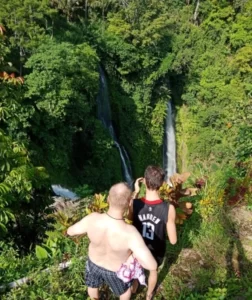
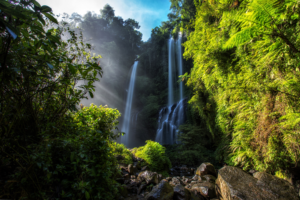
Cliff jumping at a waterfall may look exciting in travel videos, but the reality can be far more dangerous than it appears. A jump that seems manageable from above can lead to serious injuries if the water is too shallow, underwater rocks obstruct the landing area, or currents make it difficult to stay afloat.
Sekumpul Waterfall in northern Bali attracts visitors who want to explore dramatic cascades, lush scenery, and outdoor activities. Some visitors also look for experiences such as cliff jumping during a longer trekking trip. However, access to a waterfall does not automatically mean that jumping is safe or permitted.
If you are considering cliff jumping as part of the Sekumpul Waterfall Long Trip, understanding the risks is essential. This guide explains the main hazards, how to assess local conditions, what to ask your guide, and when to avoid jumping altogether.
Is Cliff Jumping at Sekumpul Waterfall Safe?
Cliff jumping at Sekumpul Waterfall is not automatically safe. The level of risk depends on the exact jumping location, water depth, current, landing area, weather, and local restrictions.
Natural waterfalls differ from swimming pools because their underwater environments are rarely uniform. Rocks, submerged branches, uneven surfaces, and changing water levels can create hazards that are difficult to identify from above.
Even a confident swimmer can suffer serious injuries from an impact with the water or an underwater obstacle. Moreover, strong currents can make it difficult to reach the shore after landing.
Before considering any jump, confirm these points with your local guide:
- Permission: Is jumping permitted at that exact location on the day of your visit?
- Water depth: Has a qualified local guide assessed the landing area under current conditions?
- Landing zone: Are submerged rocks, branches, and other obstacles present?
- Water movement: Are currents, turbulence, or rising water creating additional hazards?
- Weather: Has recent or ongoing rainfall affected the waterfall?
- Exit route: Can participants leave the water safely without climbing unstable rocks?
A guide’s approval can help you understand local conditions, but it cannot eliminate every risk. If any important detail remains uncertain, do not jump.
What Are the Main Risks of Waterfall Cliff Jumping?
Understanding the potential consequences helps you make a more informed decision before participating in an activity.
Hidden rocks and insufficient water depth
The most serious hazard is striking the bottom or an underwater obstacle. Water can appear deep from a viewpoint while the landing area contains submerged rocks or changes in depth.
Never estimate safe depth from the appearance of the pool. A previous visitor’s successful jump also does not prove that the same location remains safe.
Impact injuries
Entering water from height creates substantial impact forces. An awkward landing can injure the feet, ankles, knees, back, neck, or head.
Jumping headfirst adds a particularly serious risk because a collision can cause severe head or spinal injuries. Never dive headfirst into an unfamiliar natural pool.
Currents and turbulence
Water flowing beneath or around a waterfall can move unpredictably. After landing, a person may struggle to stay oriented, swim towards the exit, or avoid nearby rocks.
Strong swimming ability does not remove the danger posed by turbulence or unexpected currents.
Changing weather and water levels
Rain can change water flow and visibility. It can also make rocks and access paths slippery, increasing the risk of falls before and after a jump.
Never continue with cliff jumping simply because the activity formed part of your original itinerary. Conditions on the day should determine whether the activity proceeds.
How to Assess Conditions Before Participating
If your trekking package mentions cliff jumping, treat that description as an activity option rather than a guarantee that jumping will be available or appropriate.
Ask your guide specific questions
Before approaching the jumping area, ask whether local staff currently permit the activity and what conditions they have assessed.
Useful questions include:
- Has the landing area been checked for underwater hazards?
- Have water levels or currents changed after recent rainfall?
- Are there restrictions on who may participate?
- Is there a safe way to enter and exit the water?
- Can visitors choose to skip the activity without affecting the rest of the trek?
Do not feel pressured to jump because other visitors participate. A sensible decision may be to watch from a safe viewpoint instead.
Understand the limits of a visual inspection
Looking at the pool from above cannot reliably reveal its depth or every underwater obstacle. Likewise, a calm surface does not guarantee that the water below is free from turbulence.
Avoid jumping if you cannot obtain reliable information about the landing area. Do not try to test the water by making a smaller jump or entering an unfamiliar section headfirst.
Recognise when to stop
Heavy rain, rising water, poor visibility, strong currents, or uncertainty about the landing area should all prompt you to avoid the activity.
If local staff close an area or advise against jumping, follow their instructions. A scheduled activity is never more important than personal safety.
Does the Sekumpul Waterfall Long Trip Include Cliff Jumping?
The Sekumpul Waterfalls Long Trip package description lists activities such as cliff jumping and a natural water slide alongside waterfall access, rice terraces, a local guide, and other inclusions. However, the inclusion of an activity in a package does not guarantee that conditions will permit it on your visit date.
Water conditions, weather, local access rules, and the operator’s assessment may affect which activities are available.
Before booking, clarify the following details:
- Whether cliff jumping is currently offered.
- Whether the activity is optional.
- What local safety instructions apply.
- Whether the operator may cancel the activity because of weather or water conditions.
- What alternative experiences remain available if jumping is not appropriate.
You can review the Sekumpul & Fiji Waterfalls website for destination information and ask the operator about the current Long Trip itinerary.
Do not choose the long package solely because it advertises cliff jumping. Consider the full trekking experience, including the walking route, waterfall scenery, rice terraces, and your own comfort with outdoor activities.
Safety Rules to Follow if Jumping Is Permitted
Even when a local operator permits an activity, you should make a careful personal decision about whether to participate. Follow the guide’s instructions and never attempt a jump that exceeds your comfort level.
Use these essential precautions:
Follow the designated access route. Do not climb outside the approved area or use unstable rocks as a launch point.
Never jump headfirst. Headfirst entry into unfamiliar natural water can cause catastrophic head and spinal injuries.
Do not jump under pressure. Other visitors’ actions, photographs, or social media videos should not influence your decision.
Avoid jumping after alcohol or drugs. These substances impair judgment, coordination, and reaction time.
Do not jump if you feel unwell or fatigued. Dizziness, exhaustion, or difficulty concentrating can increase risk.
Respect restrictions and weather warnings. If your guide suspends the activity, do not seek an alternative jumping point independently.
These precautions reduce some avoidable risks, but they do not make cliff jumping risk-free. If you have any doubt about the landing area or your ability to participate safely, choose another activity.
Safer Alternatives to Cliff Jumping
You can enjoy Sekumpul Waterfall without jumping from a height. The surrounding landscape offers other ways to experience the area while avoiding the additional impact risks associated with cliff jumping.
Consider these alternatives:
- Enjoy waterfall viewpoints: Take photographs from designated viewing areas and appreciate the cascades from a safe distance.
- Explore the trekking route: Walk through the surrounding landscape with a local guide and learn about the area.
- Visit multiple waterfalls: Ask whether your chosen route includes Sekumpul and Fiji Waterfalls.
- Explore rice terraces: Some trekking options include access to nearby rice terraces, depending on the package.
- Enjoy permitted water activities: If local staff identify a suitable area for water-based recreation, follow their guidance and restrictions.
Swimming also requires caution. Natural pools may contain currents, slippery rocks, or hidden obstacles, so do not assume that avoiding a jump makes entering the water automatically safe.
For more information about natural-water hazards, read this guide to Sekumpul Waterfall swimming safety.
The best alternative is one that lets you enjoy the scenery without taking unnecessary risks.
Frequently Asked Questions
1. Can visitors cliff jump at Sekumpul Waterfall?
Some descriptions of the Long Trip package list cliff jumping as an activity. However, availability depends on current conditions and local permission. Confirm the details before participating.
2. Is cliff jumping at Sekumpul Waterfall dangerous?
Yes, it can cause serious injuries from impact, underwater obstacles, insufficient depth, and currents. A natural pool’s appearance cannot reliably establish that a jump is safe.
3. Should beginners try waterfall cliff jumping?
Beginners should be particularly cautious. Do not jump without reliable local assessment of the landing area and clear permission. Choosing not to jump is a reasonable decision.
4. Can I jump after heavy rain?
Avoid cliff jumping when heavy rain, rising water, strong currents, or poor visibility create uncertainty. Follow local guidance and do not resume the activity until qualified local staff confirm that conditions are appropriate.
5. What can I do if I do not want to jump?
You can enjoy waterfall viewpoints, explore the trekking route, take photographs, or visit other waterfalls included in your itinerary. You do not need to jump to enjoy the destination.
Plan Your Sekumpul Waterfall Adventure Responsibly
Cliff jumping may appeal to thrill-seekers, but it carries risks that visitors should never underestimate. Before participating, confirm that the activity is permitted, understand the current water conditions, and follow the instructions of local staff. If anything remains uncertain, skip the jump.
The Sekumpul Waterfall Long Trip offers other ways to experience northern Bali’s waterfalls and natural scenery. Explore the Sekumpul & Fiji Waterfalls website to review the available trekking options and clarify the current activities before planning your visit.