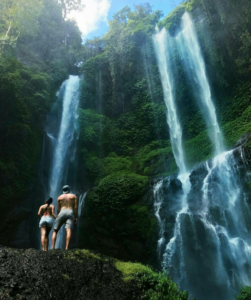
Planning a trek to Sekumpul Waterfall in Bali can become complicated when the weather changes. A sunny morning may seem perfect for exploring the trail, but rain can turn steps slippery, increase water flow, and make the walk more demanding. Even a light shower can affect your comfort, while heavy rainfall may create serious safety risks near waterfalls and rivers.
Understanding Sekumpul Waterfall weather helps you choose when to visit, what to bring, and when to reconsider your plans. The goal is not simply to find a day without rain. Instead, you need to understand how rainfall affects trail conditions, visibility, water levels, and the overall trekking experience.
Located in Lemukih Village, Buleleng Regency, Sekumpul Waterfall sits in a lush landscape where tropical weather can change throughout the day. With the right preparation and local guidance, you can make a more informed decision before starting your trek.
1. Understand Bali’s Weather Around Sekumpul Waterfall
Bali has a tropical climate, with seasonal changes in rainfall and periods of higher humidity. However, conditions around Sekumpul Waterfall can differ from those in southern tourist areas. The surrounding hills, vegetation, and local weather patterns can influence how the trail feels on a particular day.
Wet season and dry season
Bali generally experiences a wetter season around November to March and a drier season around April to October. These periods are broad seasonal patterns, not guarantees of daily weather.
During the wetter months, visitors may encounter more frequent showers, muddy paths, and stronger water flow. The landscape often looks especially green, but trekking can require greater caution.
During the drier months, the trail may offer more comfortable walking conditions. Nevertheless, occasional rain can still occur, and shaded areas may remain damp.
Rather than relying only on the month, check the forecast shortly before your visit. Also, ask a local guide about recent rainfall because conditions at the waterfall may differ from the forecast for another part of Bali.
For a broader overview of seasonal planning, read this guide to the best time to visit Sekumpul Waterfall.
2. How Rain Changes the Trekking Trail
Rain affects more than your clothing. It can change how securely you walk, how long you need to complete the route, and how much energy the trek requires.
The Sekumpul area features natural terrain, stairs, and walking sections that can become challenging when wet. Visitors should prepare for uneven surfaces rather than expect a consistently smooth path.
Slippery steps and muddy paths
When rain falls, water and mud can reduce traction. Moss-covered rocks and smooth surfaces may become particularly slippery. Descending steps can require extra attention because your body naturally shifts forward as you move downhill.
To manage these conditions:
- Wear trail shoes or hiking shoes with reliable grip.
- Take shorter steps and maintain a steady pace.
- Use available handrails where appropriate.
- Keep your hands free when navigating steep sections.
- Avoid running or rushing to keep up with other visitors.
- Follow your guide’s instructions about the safest route.
Do not assume that a path is safe simply because other people are using it. If a section looks unstable or excessively slippery, stop and ask your guide for advice.
Allow extra time
Rain may slow your progress because you need to walk more carefully and take additional breaks. Therefore, avoid scheduling another activity immediately after your trek.
A flexible itinerary gives you time to respond to changing conditions without feeling pressured to continue when the trail becomes uncomfortable or unsafe.
3. How Rainfall Affects Waterfall Flow and Visibility
Rainfall can influence the appearance and power of Sekumpul Waterfall. More water may produce a fuller cascade and a dramatic natural scene. However, increased flow does not automatically mean better viewing conditions.
Heavy rain can create spray, mist, and reduced visibility. It may also raise water levels in nearby streams and increase the strength of currents.
Is a waterfall more beautiful after rain?
Sometimes. Recent rainfall can make the surrounding vegetation look fresh and increase the volume of water flowing over the falls. Photographers may appreciate the dramatic atmosphere, particularly when clouds and mist move through the landscape.
However, the same conditions can make viewpoints wet and reduce visibility. Strong flow can also make swimming or approaching the water dangerous.
The important distinction is between recent rain that enhances the scenery and active or heavy rainfall that creates hazards. You cannot reliably judge safety from the waterfall’s appearance alone.
If the water looks unusually forceful, brown, turbulent, or full of debris, stay away from the water’s edge and follow local guidance. Do not enter the river or approach the cascade to take photographs.
4. Check the Forecast Before You Leave
Checking the weather forecast is one of the simplest ways to prepare for a waterfall trek. However, a single forecast cannot tell you everything about conditions on the ground.
Review the expected rainfall, thunderstorm risk, and forecast timing for the area around Lemukih Village. Check again on the morning of your visit because tropical weather can change quickly.
For official weather information, consult the BMKG weather forecast, Indonesia’s Meteorology, Climatology, and Geophysics Agency.
What should you look for?
Pay attention to these factors:
- Rainfall timing: Morning rain may affect an afternoon trek if the trail remains wet.
- Heavy rain warnings: These deserve more attention than a small chance of light showers.
- Thunderstorms: Avoid exposed areas and follow local advice if thunderstorms approach.
- Recent rainfall: Water levels can remain high even after the rain stops.
- Local updates: Guides and operators may know about trail closures or conditions that a general forecast does not capture.
A forecast showing little rain does not guarantee safe conditions. Similarly, a short shower does not automatically mean you must cancel. Consider the forecast together with recent rainfall, water levels, and advice from people familiar with the route.
5. What to Pack for Rainy Weather at Sekumpul Waterfall
Appropriate equipment helps you stay comfortable when the weather changes. However, gear cannot eliminate the risks of flooding, strong currents, or slippery terrain.
Keep your backpack lightweight so you can maintain balance on steps and uneven paths.
Essential rainy-weather gear
Consider packing:
- Trekking shoes with good traction: Prioritize grip and a secure fit.
- Lightweight rain jacket: Useful for light showers and cooler conditions.
- Waterproof bag or dry pouch: Protect your phone, identification, and spare clothes.
- Quick-drying clothing: Helps you stay comfortable if you get wet.
- Drinking water: Supports hydration during a physically demanding walk.
- Small towel and spare clothes: Useful after visiting the waterfall.
- Basic first-aid supplies: Carry items suitable for minor cuts and blisters.
A compact rain poncho may also help, although loose material can interfere with movement in windy conditions or on steep paths. Remove or secure anything that restricts your steps.
Avoid relying on an umbrella while navigating narrow or slippery sections. You need your hands available for balance and safe movement.
For a more complete preparation guide, visit the Sekumpul Waterfall website before finalizing your plans.
6. Know When to Continue, Postpone, or Cancel Your Trek
One of the most important parts of weather planning is knowing when not to proceed. Beautiful scenery is never worth taking unnecessary risks around fast-moving water or unstable terrain.
When conditions may still be manageable
Light rain or overcast skies may allow a trek to continue if local guides confirm that the trail remains safe. Even then, walk carefully, adjust your pace, and avoid entering the water if conditions are uncertain.
Ask your guide about the current route before beginning. They can explain whether recent rainfall has affected access, steps, streams, or viewing areas.
When you should reconsider your plans
Postpone or cancel the trek if you encounter any of the following:
- Heavy or persistent rainfall.
- Flash-flood warnings or rapidly rising water.
- Strong currents, unusual water levels, or debris in the river.
- Thunderstorms that make the route unsafe.
- Official closures or instructions from local authorities.
- Trail sections that your guide considers unstable or dangerous.
If rain begins during the trek, do not continue automatically just because you have already paid or travelled to the area. Follow your guide’s instructions and move away from streams or exposed locations when advised.
Never attempt to cross fast-flowing water or approach the waterfall for a closer photograph during unsafe conditions. If you feel uncertain, stop and discuss the safest option with your guide.
7. Plan a Flexible Visit for a Better Experience
A successful Sekumpul Waterfall trip depends on more than choosing a month with lower rainfall. You also need enough time, suitable footwear, realistic expectations, and a willingness to adjust your itinerary.
Consider planning your visit earlier in the day if that suits the operator’s schedule and current conditions. Leave room for a slower walk, rest breaks, and changes to the route. If you are travelling from another part of Bali, allow additional flexibility for the journey as well.
Before booking or departing, confirm the current access arrangements, trekking duration, and local weather guidance. Do not assume every route remains available in all conditions.
Most importantly, choose the experience that matches your fitness level and comfort with uneven terrain. A careful walk with good visibility and manageable water levels can be more rewarding than attempting a difficult route during heavy rain.
Sekumpul Waterfall is worth exploring for its dramatic cascades and green surroundings, but conditions should guide your decisions. Check the forecast, ask local operators for current information, and prepare your equipment before leaving. If the weather turns unsafe, rescheduling is a sensible part of responsible travel.
Frequently Asked Questions
1. What is the best weather for visiting Sekumpul Waterfall?
Dry or relatively stable weather generally makes trekking easier. However, check recent rainfall, trail conditions, and local guidance rather than relying on the season alone.
2. Can I visit Sekumpul Waterfall during the rainy season?
Yes, when local conditions permit. Rain can make the trail slippery and increase water flow, so confirm access and safety with a local guide before starting.
3. Does rain make Sekumpul Waterfall more beautiful?
Recent rainfall can increase the waterfall’s flow and make the surrounding vegetation look lush. However, heavy rain may reduce visibility and create dangerous water conditions.
4. Is it safe to trek to Sekumpul Waterfall after heavy rain?
Not necessarily. Water levels may remain high, and the trail may become slippery or unstable. Ask a local guide about current conditions and postpone the trek if they advise against it.
5. What should I wear when trekking to Sekumpul Waterfall in the rain?
Wear quick-drying clothing and trekking shoes with reliable traction. Bring a lightweight rain jacket and protect your phone and spare clothes with waterproof storage.