Planning a trek to Fiji Waterfalls in Bali can raise a few questions. How difficult is the trail? Will you need to climb many steps? What footwear should you bring, and can you explore the waterfalls comfortably if you have limited trekking experience?
These questions matter because visiting a waterfall involves more than reaching a beautiful viewpoint. You also need to navigate uneven paths, manage your energy, and prepare for wet conditions that can change throughout the day.
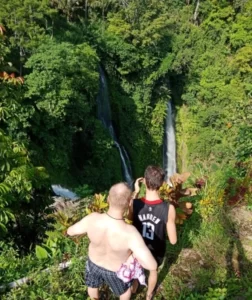
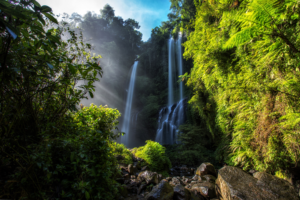
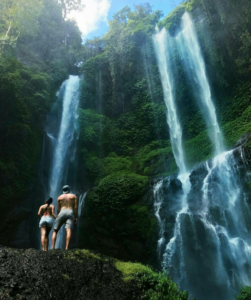
Fiji Waterfalls lies in the Lemukih area of northern Bali, near the well-known Sekumpul Waterfall. The surrounding landscape offers lush vegetation, flowing water, and opportunities to explore several waterfalls during one outing.
This guide explains what to expect during Fiji Waterfalls trekking, from the first steps on the trail to choosing a suitable route, packing the right equipment, and staying safe along the way.
Where Does Fiji Waterfalls Trekking Take Place?
Fiji Waterfalls is located in the Lemukih area of Buleleng Regency, northern Bali. The area attracts visitors who want to explore natural scenery beyond Bali’s busy southern tourist destinations.
However, reaching the general area does not mean you have arrived at the waterfall itself. Depending on your transport and trekking arrangements, you may need to travel from a designated parking or drop-off point to the trekking starting point before continuing on foot.
Some access roads suit motorcycles better than cars. Therefore, local transport arrangements can form part of the journey.
Before setting out, confirm these details with your trekking operator:
- Meeting point: Establish the exact location where your driver or guide will meet you.
- Local transfers: Ask whether motorcycle transport between the parking area and trailhead is included.
- Waterfall access: Confirm which waterfalls your selected route covers.
- Trekking duration: Check the estimated time, including walking breaks and the return journey.
- Trail conditions: Ask about recent rain and any access restrictions.
You can find general destination information through the Sekumpul & Fiji Waterfalls website. For a closer look at the destination itself, read this guide to finding Fiji Waterfall in Bali.
What Is the Fiji Waterfalls Trek Like?
The experience combines walking through a natural landscape with navigating the paths leading to the waterfalls. Rather than expecting a smooth, paved walkway throughout, prepare for changing surfaces and sections that require attention.
Steps, uneven paths, and natural terrain
Depending on your route, you may encounter stairs, uneven ground, narrow sections, and slippery surfaces. These features can make the trek more demanding than a casual walk around a tourist attraction.
Take your time when descending steps, particularly after rain. Use available handrails where provided, keep your hands free when navigating difficult sections, and avoid rushing past other visitors on narrow paths.
Walking through the surrounding landscape
The trek also gives you time to appreciate the greenery around Lemukih. Tropical vegetation and the sound of flowing water contribute to the experience, while pauses along the route provide opportunities to rest and take photographs.
Nevertheless, remember that the trail is part of a natural environment. Mud, moisture, and changing weather can affect your footing, so pay attention to the path rather than focusing entirely on the scenery.
Reaching the waterfall viewpoints
As you approach the waterfall area, you may need to navigate damp rocks or steps to reach particular viewpoints. Follow the designated route and your guide’s instructions.
Do not assume that every viewpoint is equally accessible or safe in all weather conditions. Water levels, rainfall, and local access arrangements can influence where you should go.
How Difficult Is Fiji Waterfalls Trekking?
The difficulty depends on your fitness, the route you choose, and the condition of the trail on the day. You do not necessarily need advanced hiking experience, but you should be prepared for physical activity on uneven terrain.
If you regularly walk, climb stairs, and remain comfortable on natural trails, you may find a shorter route manageable. However, a longer trek can require more stamina, especially when you combine several waterfalls and additional activities.
Choose a route that matches your ability
Local trekking options can differ in duration and the number of places they include. Consider your available time and physical comfort before selecting one.
- Short trek: A practical option if you want a more compact experience or have limited time.
- Medium trek: Suitable if you want to explore more of the waterfall area without committing to the longest itinerary.
- Long trek: Better for visitors who have more time and feel comfortable with an extended outdoor activity.
These descriptions are general planning guidance rather than a guarantee of difficulty. Ask your operator about the actual route, elevation changes, steps, and expected walking time.
If you want to explore a route that includes more of the surrounding waterfall area, review the details of the Sekumpul medium trekking trip. Confirm the current package inclusions and whether its itinerary suits your fitness level before booking.
What Should You Wear and Bring?
The right equipment makes the trek more comfortable and helps you manage the changing conditions around the waterfalls. You do not need an elaborate hiking setup, but a few essentials can make a meaningful difference.
Choose suitable footwear
Wear trekking shoes or outdoor footwear with reliable grip. The trail can become slippery, and smooth-soled sandals may offer less stability on wet ground.
Choose footwear that fits securely and allows you to walk comfortably on steps. If you plan to wear water shoes, check whether they provide enough traction for the specific route rather than assuming that any footwear designed for water will work on every surface.
Pack practical essentials
Bring a small bag with the items you are most likely to need:
- Drinking water for the walk.
- Lightweight clothing that allows comfortable movement.
- A change of clothes if you expect to get wet.
- A waterproof bag for your phone, wallet, and camera.
- Rain protection suited to the forecast.
- A small towel if you plan to spend time near the water.
- Booking details and your guide’s contact information.
Keep your backpack light. Carrying unnecessary items can make climbing stairs and walking along narrow sections more tiring.
Also, avoid bringing valuables that you do not need. Water spray and rain can damage electronics, while bulky bags may restrict your movement on difficult sections.
How to Stay Safe on the Trail
A successful Fiji Waterfalls trek depends on making sensible decisions throughout the journey. Even if the trail looks manageable at first, conditions can change after rain or near flowing water.
Follow these precautions:
Watch your footing. Take shorter steps on wet surfaces and avoid stepping onto moss-covered rocks when you cannot judge their stability.
Follow your guide. Local guides can explain the designated route and advise you about changing conditions. Stay with your group if you are unfamiliar with the area.
Respect the water. Waterfall pools and streams can have uneven depths, slippery rocks, or stronger currents than they appear to have from the bank. Do not enter the water unless local guidance indicates that the location and conditions are suitable.
Avoid risky shortcuts. Do not climb barriers, cross restricted sections, or approach cliff edges for photographs.
Adjust your plans when it rains. Heavy rain can make trails more slippery and affect water conditions. If your guide recommends avoiding a section or stopping the trek, follow that advice.
Manage your energy. Take breaks when needed, drink water, and communicate with your guide if you feel tired or uncomfortable.
Cliff jumping and natural water slides may appear in some longer trekking itineraries. However, these activities are not suitable for everyone and depend on specific access arrangements and conditions. Never attempt them simply because another visitor does.
How to Prepare for a Comfortable Trekking Day
Good preparation starts before you arrive in Lemukih. Since northern Bali is a substantial journey from many southern tourist areas, allow enough time for transport as well as the trek itself.
An early start can provide more flexibility, particularly if traffic delays your journey. Confirm your pickup time, meeting point, and expected return schedule with your driver or tour operator.
Before leaving your accommodation, use this checklist:
- Check the weather forecast and ask about trail conditions.
- Confirm your chosen route and the waterfalls it includes.
- Wear footwear suitable for wet, uneven ground.
- Bring water and protect your electronic devices.
- Make sure your transport arrangements cover the return journey.
- Allow time for rest stops and photographs.
- Avoid scheduling too many other attractions on the same day.
If you want to visit both Fiji Waterfalls and Sekumpul Waterfall, ask how the route connects the two areas and how much walking the combined experience involves. This will help you choose an itinerary that fits your available time.
Most importantly, approach the trek at a comfortable pace. You do not need to rush from one viewpoint to another to appreciate the landscape.
Frequently Asked Questions
1. How long does Fiji Waterfalls trekking take?
The duration depends on the route, the number of waterfalls you visit, your walking pace, and current trail conditions. Confirm the estimated duration with your trekking operator.
2. Is Fiji Waterfalls trekking suitable for beginners?
Some shorter routes may suit visitors with basic fitness, but steps, uneven ground, and slippery surfaces can still be challenging. Choose a route that matches your ability.
3. Do I need a guide for Fiji Waterfalls trekking?
A local guide can help you navigate the trail, understand access arrangements, and respond to changing conditions. Confirm current requirements and package details before your visit.
4. What shoes should I wear for Fiji Waterfalls trekking?
Wear comfortable trekking shoes or outdoor footwear with good grip. Avoid footwear that becomes slippery or does not provide adequate support on uneven paths.
5. Can I visit Fiji Waterfalls and Sekumpul Waterfall on the same trek?
Yes, some local trekking options include both destinations. The route, duration, and included activities depend on the package you choose.
Plan Your Fiji Waterfalls Trek
Fiji Waterfalls trekking offers a chance to explore northern Bali on foot and experience the natural scenery around Lemukih. With suitable footwear, realistic timing, and attention to trail conditions, you can make the journey more comfortable and enjoyable.
Before travelling, check the route, confirm your local transport, and select a trek that matches your fitness and interests. Explore the Sekumpul & Fiji Waterfalls website to review the available information and prepare for your visit.