

Planning a trip to Sekumpul Waterfall in Bali can be disappointing if you arrive when heavy rain, mist, or poor visibility affects the scenery. You might hope to photograph dramatic cascades against a lush green backdrop, only to discover that the weather has changed or the trail conditions make some viewpoints difficult to reach.
So, when is the best time to visit Sekumpul Waterfall for clear views? The answer depends on more than the month you choose. Weather, time of day, recent rainfall, and current trail conditions all influence your experience.
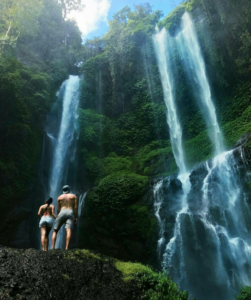
Located in northern Bali, Sekumpul Waterfall offers a spectacular natural setting surrounded by tropical vegetation and steep green hills. With a little planning, you can improve your chances of enjoying the scenery, taking better photographs, and exploring the waterfall area comfortably.
This guide explains the best time to visit Sekumpul Waterfall in Bali, including seasonal weather patterns, morning visits, photography conditions, and practical advice for planning your trek.
1. When Is the Best Season to Visit Sekumpul Waterfall?
Bali has a tropical climate with generally wetter and drier periods. These seasonal patterns can influence rainfall, trail conditions, visibility, and the appearance of the waterfalls around Sekumpul and Fiji.
However, neither season guarantees perfect weather. Conditions can change from one day to the next, particularly in the hills of northern Bali.
Dry season: Better opportunities for clear views
Bali’s dry season generally runs from around May to September, although the exact timing varies each year.
During this period, visitors may experience more opportunities for relatively dry walking conditions and clearer views. Lower rainfall can also make it easier to navigate steps and uneven sections of the trekking route.
The dry season may suit you if your priorities include:
- Photographing the waterfalls and surrounding landscape.
- Walking along the trekking paths with fewer rain-related interruptions.
- Exploring rice terraces and waterfall viewpoints.
- Planning an outdoor itinerary with less uncertainty from rainfall.
Nevertheless, a dry-season visit does not guarantee blue skies. Cloud cover, humidity, and local showers can still affect visibility.
Rainy season: Lush scenery with changing conditions
The wetter period generally falls between October and April. Rain can make the surrounding vegetation appear especially lush, while increased water flow may change the character of the waterfalls.
However, heavier rainfall can also create challenges. Stone steps and rocks may become slippery, water conditions can change, and some activities may become unsuitable.
If you visit during the rainy season, check the forecast and ask your local guide about the current trail conditions before starting the trek.
The best season depends on your priorities: the drier months may offer more convenient trekking conditions, while the wetter months can bring greener scenery but require greater flexibility.
2. What Time of Day Offers the Clearest Views?
The time you arrive can influence your experience just as much as the season. Morning visits often make practical sense because they give you more time to complete the trek and return before late-afternoon weather changes.
The local operator lists opening hours of 7:00 AM to 5:00 PM. However, confirm current operating arrangements and your meeting time before travelling.
Why an early start can help
Arriving in the morning gives you more flexibility if the journey to Lemukih Village takes longer than expected. It also leaves time for walking breaks, photography, and exploring additional viewpoints.
An early start can be especially useful if you are travelling from another part of Bali. Rather than rushing through the waterfall area, you can follow your chosen route at a comfortable pace.
Consider these practical advantages:
- More time to complete the trek without rushing.
- Greater flexibility if you need extra rest stops.
- More time to visit both Sekumpul and Fiji Waterfalls.
- A better opportunity to adjust your plans if conditions change.
However, early morning does not always mean clear skies. Mist and cloud cover may remain around the hills, especially after overnight rain.
How long should you allow?
Your required time depends on your trekking package and starting point. The operator advertises approximately 1.5 to 2 hours for the short trek, around three hours for the medium trek, and four to five hours for the long trek.
These estimates refer to the trekking experiences, not necessarily your complete journey from your accommodation and back.
If clear views and photography are your main priorities, allow time to pause at designated viewpoints rather than planning the tightest possible itinerary.
3. How Weather Affects Waterfall Visibility and Photography
Even when you visit during a generally favourable season, local weather can affect what you see.
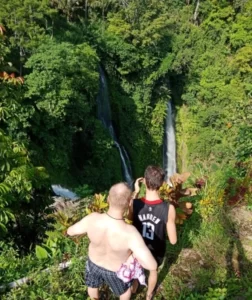
Sekumpul Waterfall sits within a tropical landscape, where clouds, humidity, and recent rainfall can change the appearance of the surroundings throughout the day.
Mist, clouds, and sunlight
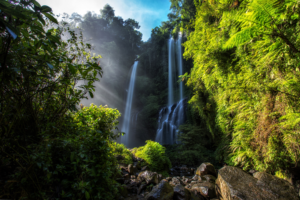
Mist can create a dramatic atmosphere around a waterfall, but dense cloud cover may obscure parts of the landscape. Similarly, strong sunlight can produce high contrast between bright water and shaded vegetation.
For photography, the most suitable conditions depend on the effect you want.
If you prefer to capture the waterfall surrounded by green vegetation, softer light can help retain detail across the scene. If you want to photograph the entire landscape, visibility matters more than sunshine alone.
Rather than relying on a particular hour, check the forecast and remain flexible.
Rainfall and water flow
Recent rainfall can influence the volume and appearance of the waterfalls. More water may create a powerful visual display, but it can also increase the risks around slippery paths, currents, and natural pools.
After heavy rain, do not assume that the most dramatic conditions are also the safest.
Ask your local guide whether the route remains suitable and whether any viewpoints or water activities have restrictions. If conditions are unsafe, follow the guide’s advice.
Practical photography tips
To make the most of your visit:
- Bring a waterproof pouch or protective case for your phone.
- Clean your camera lens regularly to remove water droplets.
- Use designated viewpoints rather than approaching unstable edges.
- Allow time to wait for temporary changes in mist or cloud cover.
- Avoid entering the water or standing on slippery rocks to improve a photograph.
A clear, safe viewpoint is more valuable than a risky attempt to capture a particular angle.
4. Is Sekumpul Waterfall Worth Visiting During the Rainy Season?
Yes, a rainy-season visit can still be rewarding, provided you understand the conditions and remain flexible. The landscape around Lemukih Village can look vibrant during wetter months, and the waterfalls may display stronger flows after rainfall.
However, the same weather that creates dramatic scenery can make trekking more demanding.
What to consider before travelling
Before choosing a rainy-season date, consider:
- Whether heavy rain is forecast during your planned visit.
- Whether the trekking paths have become slippery.
- Whether the local operator reports any access restrictions.
- Whether you have appropriate footwear and rain protection.
- Whether you can change your itinerary if conditions deteriorate.
If you are travelling with children or people who find stairs difficult, discuss the route’s physical demands with the operator before booking.
When should you postpone the trek?
A little rain does not automatically make a visit impossible. However, heavy rain, unsafe water levels, or dangerous trail conditions may justify postponing the trek.
Follow local guidance rather than relying only on a weather app. Conditions at the waterfall can differ from those in your accommodation area.
Flexibility is essential during the rainy season. A different day with safer conditions may provide a much better experience than continuing with an unsuitable plan.
5. How to Plan Your Visit for the Best Experience
Choosing a favourable date is only one part of the preparation. You also need to consider transport, the trekking route, your physical fitness, and how much time you want to spend exploring the area.
Choose the right trekking option
The local operator offers several experiences around Sekumpul and Fiji Waterfalls.
The short trek is suitable for visitors who want a focused waterfall experience. The medium trek adds access to upper waterfall viewpoints and rice terraces, while the long trek includes additional activities such as a natural waterslide and designated cliff-jumping areas.
The advertised duration varies by package, so choose an option that allows enough time for walking, rest stops, and photography.
If you want to visit both waterfalls in one outing, read our guide on how to visit Sekumpul and Fiji Waterfalls in one trip.
Arrange transport and confirm your meeting point
Sekumpul Waterfall is located in Lemukih Village, Buleleng Regency, in northern Bali. Depending on where you stay, reaching the area may take a substantial part of your day.
Confirm your meeting point with the local operator before departure. Some access paths are narrow, so you may need to park your car and use a local motorcycle transfer to reach the trekking starting point.
Also, verify whether your package includes a local guide, waterfall access, transfers, and any additional activities you plan to enjoy.
Prepare for changing conditions
Wear walking shoes with good grip and bring drinking water, sun protection, and a waterproof pouch for your phone. If rain is possible, carry a lightweight rain jacket.
Before starting, ask your guide about the latest weather, visibility, and trail conditions. This is especially important if you plan to swim, use a natural waterslide, or participate in cliff jumping.
6. How to Choose the Best Day for Clear Views
No month or time of day can guarantee clear views at Sekumpul Waterfall. Instead, combine seasonal planning with a check of the actual forecast and local conditions.
For example, if you have flexibility in your travel schedule, consider visiting during the drier part of the year, arranging an early start, and confirming the conditions with your guide the day before. If the forecast indicates heavy rain, consider changing your plans.
On the day of your visit, allow sufficient time for the trek. Rushing between viewpoints can reduce your enjoyment and encourage unnecessary risks.
You should also remember that clear views are only one part of the experience. The sound of cascading water, the surrounding tropical vegetation, and the landscape around Lemukih Village can make the visit worthwhile even when clouds partially cover the hills.
For information about available local trekking experiences, visit the Sekumpul & Fiji Waterfalls website and contact the operator if you need help choosing a suitable route.
With realistic expectations, a flexible schedule, and attention to local conditions, you can give yourself a better chance of enjoying Sekumpul Waterfall at its best.
Frequently Asked Questions
1. What is the best month to visit Sekumpul Waterfall?
May to September generally falls within Bali’s drier season and may offer more convenient trekking conditions. However, local weather varies, so check the forecast before visiting.
2. Is morning the best time to visit Sekumpul Waterfall?
Morning visits give you more time to trek and explore. However, mist and cloud cover can still affect visibility, so an early start does not guarantee clear views.
3. Is Sekumpul Waterfall worth visiting during the rainy season?
Yes, if conditions are suitable. The landscape can look lush, but rain may create slippery paths and hazardous water conditions. Check with a local guide before starting.
4. Does rain affect the views at Sekumpul Waterfall?
Yes. Rain can increase water flow and create mist, but heavy cloud cover may reduce visibility. It can also make trekking more difficult.
5. How long should I spend at Sekumpul Waterfall?
The operator advertises around 1.5–2 hours for the short trek, three hours for the medium trek, and four to five hours for the long trek. Allow additional time for transport and breaks.
If you are planning a visit to northern Bali, check the expected weather, choose a trekking route that suits your schedule, and confirm current conditions with the local team. A flexible plan will help you enjoy the waterfalls without relying on perfect weather.
[…] For a broader overview of seasonal planning, read this guide to the best time to visit Sekumpul Waterfall. […]