

Choosing the right shoes and packing the right gear can make a significant difference when trekking to Sekumpul Waterfall in Bali. The route takes you through a tropical landscape with steps, uneven paths, and potentially slippery surfaces. If you arrive wearing smooth-soled sandals or carrying a heavy backpack, even a relatively short trek can become uncomfortable.
The challenge is not simply reaching the waterfall. You also need to manage the return climb, cope with Bali’s warm and humid weather, and protect your belongings from splashes and rain. Fortunately, you do not need expensive hiking equipment to prepare properly.
This guide explains what shoes and gear you need for Sekumpul Waterfall trekking, including footwear, clothing, essential items, photography equipment, and safety considerations. With a practical packing list, you can travel lighter and focus on enjoying the waterfalls around Lemukih Village.
1. What Shoes Are Best for Sekumpul Waterfall Trekking?
Footwear should be your first priority when preparing for Sekumpul Waterfall trekking. The route can include steep steps, uneven ground, and wet surfaces near the waterfalls. Good traction and a secure fit help you maintain balance throughout the journey.
Hiking shoes or trail shoes
For most visitors, lightweight hiking shoes or trail shoes with reliable grip offer a practical choice. Look for footwear that fits comfortably, supports your feet, and provides traction on uneven terrain.
Consider these features when choosing your shoes:
- Rubber outsoles with a well-defined tread pattern.
- A secure fit that prevents your heel from slipping.
- Comfortable cushioning for sustained walking.
- Materials that dry reasonably quickly.
- Enough flexibility to move naturally while climbing steps.
You do not necessarily need heavy mountaineering boots. A suitable pair of lightweight hiking shoes can provide the traction and comfort you need for this type of trek.
However, remember that even high-quality shoes cannot guarantee traction on algae-covered rocks or very slippery surfaces. Walk carefully and follow your guide’s instructions.
Can you wear sandals or water shoes?
Regular sandals and flip-flops generally offer less protection and stability on steep, uneven paths. Loose footwear can shift underfoot, increasing the risk of slipping or twisting an ankle.
Water shoes may help in certain wet environments, but their suitability depends on the sole, fit, and terrain. Thin-soled models may not provide enough support for a long walk involving repeated steps and elevation changes.
Choose footwear for the entire trek, not just for standing near the water. You need to manage the descent, the waterfall area, and the uphill return.
2. What Clothing Should You Wear?
Bali’s tropical climate can make trekking warm and humid, particularly when you climb uphill. Therefore, choose clothing that allows you to move freely and helps you remain comfortable throughout the journey.
Lightweight and breathable clothing
Quick-drying shirts and lightweight trekking trousers or shorts work well for many visitors. Choose clothing that allows your knees and hips to move comfortably when climbing stairs.
Avoid unnecessarily heavy fabrics that retain moisture for long periods. If you plan to visit the waterfalls during the rainy season, consider bringing a lightweight rain jacket.
A practical outfit includes:
- A breathable shirt.
- Comfortable shorts or trekking trousers.
- Suitable walking shoes.
- A lightweight rain jacket when rain is possible.
- A change of clothes if you expect to get wet.
If you choose a long trek with additional water activities, pack a separate set of dry clothing for the journey back.
Should you bring swimwear?
Swimwear may be useful if your chosen package allows swimming or other water activities and local conditions permit participation.
However, do not assume that every waterfall area is safe for swimming. Ask your local guide about current water conditions and permitted access before entering the water.
A small towel and a waterproof bag for wet clothing can also make the return journey more comfortable.
3. Essential Gear to Pack for the Trek
You can prepare for Sekumpul Waterfall without carrying a large hiking backpack. The aim is to bring the items you genuinely need while keeping your load light enough for steep paths.
Water and personal essentials
Bring enough drinking water for your expected activity level and the conditions on the day. Warm weather and uphill walking can increase fluid needs, so drink regularly rather than waiting until you feel very thirsty.
Your basic packing list should include:
- Drinking water.
- Sunscreen.
- Insect repellent.
- Personal medication.
- A small towel.
- Tissues or a small pack of wipes.
- A lightweight bag for personal belongings.
Pack medication you normally need and keep it accessible. If you have a medical condition that affects exercise, discuss the trek’s demands with a healthcare professional before your visit.
Waterproof protection for valuables
Water splashes, rain, and humid conditions can damage electronic devices. A waterproof pouch or dry bag helps protect your phone, cash, identification, and other valuables.
Before leaving, check that the pouch seals properly. If you use a phone for navigation or photography, consider carrying a small power bank if you expect a long day.
Avoid bringing unnecessary valuables. Keeping your bag compact makes walking and climbing easier.
4. What Photography Equipment Should You Bring?
Sekumpul and Fiji Waterfalls offer opportunities to photograph cascading water, tropical vegetation, and the surrounding landscape. Nevertheless, you should balance image quality with comfort and safety.
Phone photography
A smartphone is sufficient for many visitors. It is lightweight, easy to carry, and convenient for taking photographs at designated viewpoints.
Bring a waterproof pouch and a microfiber cloth to wipe away droplets. Water mist can quickly cover a camera lens, reducing image clarity.
When taking photographs, remain on safe paths and avoid stepping onto wet rocks or approaching unstable edges for a better angle.
Camera and accessories
If you prefer a dedicated camera, consider a lightweight setup rather than carrying several lenses and accessories.
Useful items include:
- A compact camera or lightweight lens.
- A secure camera strap.
- A protective bag or rain cover.
- A microfiber cleaning cloth.
- A spare battery if needed.
A tripod may help with certain long-exposure photographs, but it can add unnecessary weight on narrow or steep paths. Bring one only if you genuinely need it and can carry it safely.
The best photography equipment is the equipment you can manage comfortably throughout the trek.
5. How to Prepare for Rain, Slippery Paths, and Water Activities
Even with appropriate shoes and gear, trail conditions can change. Recent rainfall may make steps slippery, while water levels and currents can affect activities near the waterfalls.
Preparation should therefore include more than packing the right equipment.
Check the weather before leaving
Check the forecast for northern Bali and ask your local operator about current conditions. Weather around the waterfall area may differ from conditions where you are staying.
If heavy rain is expected, allow flexibility in your plans. Your guide may recommend changing the route, postponing the trek, or avoiding certain activities.
A rain jacket can help you remain comfortable, but it cannot make a hazardous trail safe.
Walk carefully on wet terrain
Use deliberate steps on slippery surfaces and avoid rushing to keep up with other visitors. Where available, use handrails and maintain your balance before moving to the next step.
Do not assume that a rock is safe to stand on simply because it appears dry. Water, moss, and uneven surfaces can create hazards.
Take extra care around natural water
If your trekking package includes a natural waterslide or designated cliff-jumping areas, ask your guide whether current conditions permit these activities.
Water depth, currents, submerged rocks, and slippery landing areas can create serious risks. Appropriate shoes and outdoor clothing do not eliminate those hazards.
If your guide advises against an activity, follow that advice. You can still enjoy the surrounding scenery without entering the water or jumping from a cliff.
6. Pack According to Your Sekumpul Trekking Package
The amount of gear you need depends partly on the route and activities you choose. Sekumpul & Fiji Waterfalls offers short, medium, and long trekking options with different advertised inclusions.
Short trek
The short trek generally takes around 1.5 to 2 hours. It includes a local guide, waterfall access, a welcome drink, a big swing, and motorcycle transfers in both directions, according to the operator’s published information.
For this experience, a small bag, suitable shoes, drinking water, sun protection, and a waterproof phone pouch may be sufficient for many visitors.
Medium trek
The medium trek takes approximately three hours and adds access to upper waterfall viewpoints and rice terraces.
Because you will spend more time walking, comfortable footwear, drinking water, and a lightweight rain jacket become especially useful. You may also want a camera to capture the wider landscape.
You can review the Sekumpul Waterfall Medium Trip package to understand its advertised inclusions.
Long trek
The long trek generally takes around four to five hours. Its advertised inclusions include waterfall access, rice terrace trekking, a natural waterslide, designated cliff-jumping areas, lunch, a local guide, and motorcycle transfers.
If you choose this option, consider bringing a change of clothes, a small towel, and secure waterproof storage for your valuables.
Package details can change, so confirm the current itinerary and included services before departure.
For more information about the physical demands of the route and what to expect along the way, read our guide to Sekumpul Waterfall trekking conditions.
Frequently Asked Questions
1. What shoes should I wear for Sekumpul Waterfall trekking?
Wear comfortable hiking or trail shoes with good grip and a secure fit. Avoid loose flip-flops and smooth-soled footwear on steep or uneven paths.
2. Do I need hiking boots for Sekumpul Waterfall?
Not necessarily. Lightweight hiking shoes or suitable trail shoes may provide enough traction and comfort. Choose footwear based on fit, grip, and the conditions of your planned route.
3. Should I bring a change of clothes?
Yes, especially if you plan to participate in permitted water activities or visit during rainy weather. Pack dry clothing in a waterproof bag.
4. Can I wear water shoes for the trek?
Water shoes may work in certain wet areas, but not all models provide adequate support or traction for steep steps. Choose footwear suitable for the entire route and follow your guide’s advice.
5. What is the most important item to bring?
Suitable footwear is one of the most important items because the route can include uneven and slippery surfaces. Drinking water and waterproof protection for valuables are also useful essentials.
Before your visit, check your footwear, pack only what you need, and confirm the route and weather conditions with your local operator. If you are still choosing an experience, explore the available options at Sekumpul & Fiji Waterfalls and select a trek that matches your fitness and interests.
With practical preparation and the right equipment, you can enjoy the waterfalls and surrounding landscape while keeping your trek more comfortable and manageable.
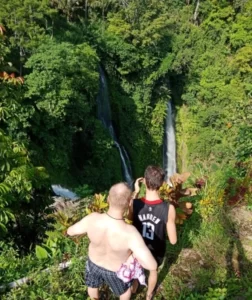
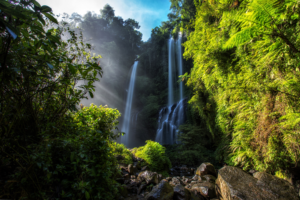
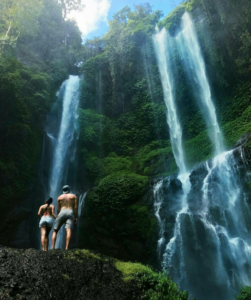
[…] more detailed advice, read this guide to Sekumpul Waterfall trekking shoes and gear. Most importantly, no shoe makes wet rocks completely safe. Walk carefully and follow your local […]