

A visit to Sekumpul Waterfall in Bali looks appealing in photographs, but the actual trek can be more demanding than many visitors expect. Reaching the waterfalls involves descending steps, walking along uneven paths, and climbing back up after exploring the area. If you rarely hike or feel uncomfortable on steep terrain, you may wonder whether the experience suits your fitness level.
The answer depends on your physical condition, the route you choose, and the weather on the day of your visit. Some visitors may feel comfortable with a shorter waterfall trek, while others may prefer a more extensive adventure through the surrounding landscape.
This guide explains Sekumpul Waterfall trek difficulty, including the physical demands, trail conditions, trekking options, and safety considerations. By understanding what to expect, you can choose a route that matches your abilities and enjoy northern Bali’s waterfall scenery without unnecessary strain.
1. How Difficult Is the Sekumpul Waterfall Trek?
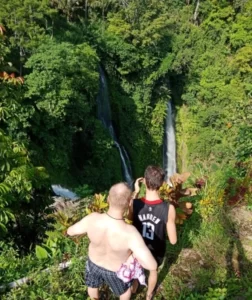
The Sekumpul Waterfall trek requires more effort than a short walk from a parking area to a viewpoint. The route can involve steep steps, uneven ground, narrow paths, and changes in elevation.
Your experience will depend on several factors, including your fitness, walking pace, footwear, and recent weather conditions.
What makes the trek challenging?
The main challenge often comes from the combination of descending and climbing rather than from walking distance alone.
During the descent, you need to maintain your balance and watch your footing. After reaching the waterfall area, you must make the return journey, which involves climbing uphill.
Other factors can increase the difficulty:
- Steep steps: Repeated climbing and descending can tire your legs.
- Uneven surfaces: Natural paths require attention and good balance.
- Wet conditions: Rain and splashing water can make steps and rocks slippery.
- Humidity: Bali’s tropical climate can make physical activity feel more tiring.
- Longer routes: Additional viewpoints and rice terraces require more walking time.
These conditions do not mean that every visitor will struggle. However, you should approach the trek as an outdoor activity that requires preparation rather than as a casual sightseeing stop.
Is it suitable for beginners?
Beginners may manage a suitable route if they have reasonable mobility, adequate fitness, and enough time to walk at a comfortable pace.
However, beginners who rarely exercise should consider the uphill return and wet surfaces carefully. Choosing a shorter experience can help you avoid committing to a longer trek before understanding the terrain.
2. What Physical Fitness Do You Need?
You do not necessarily need extensive hiking experience to visit Sekumpul Waterfall. Nevertheless, a basic level of fitness can make the journey more comfortable.
Before choosing a package, consider how well you handle stairs, prolonged walking, and uneven ground.
Assess your walking ability
Ask yourself these questions before booking:
- Can you walk for 30–60 minutes with occasional breaks?
- Can you climb several flights of stairs without significant discomfort?
- Can you maintain your balance on uneven paths?
- Can you walk uphill after completing a descent?
- Can you tolerate warm, humid conditions while exercising?
These questions provide a practical starting point, although they do not replace an assessment of the actual trail or your personal health.
If you struggle with ordinary stairs or become exhausted after short walks, discuss the route with the local operator before committing to a trek.
What if you have knee or mobility problems?
Steep steps can place additional demands on your knees, hips, and ankles, particularly during the descent. Wet surfaces can also increase the risk of slipping.
If you have a knee injury, balance difficulties, limited mobility, or a medical condition that affects exercise tolerance, seek appropriate medical advice before attempting the trek. Explain your limitations to the operator and ask whether any available route is suitable.
Do not choose a longer trek simply because it includes more attractions. A route that matches your physical ability will generally provide a more comfortable experience.
3. How Do the Short, Medium, and Long Treks Compare?
Sekumpul & Fiji Waterfalls offers different trekking options, allowing visitors to choose an experience based on their available time and interests.
Although duration provides a useful starting point, the route and included activities also influence how demanding the experience feels.
Short trek: A more focused visit
The short trek generally takes around 1.5–2 hours, according to the operator’s published information.
The advertised package includes a local guide, waterfall access, a welcome drink, a big swing, and motorcycle transfers between the parking area and trekking starting point.
This option may suit visitors who want to experience the waterfalls without spending as much time exploring the surrounding landscape.
However, a shorter duration does not automatically mean an easy or accessible trail. You should still expect steps and uneven surfaces.
Medium trek: Waterfalls and rice terraces
The medium trek takes approximately three hours. In addition to waterfall access, the package advertises access to upper waterfall viewpoints and rice terraces, a local guide, a welcome drink, a big swing, and motorcycle transfers.
This option may suit visitors who enjoy walking and want to explore more of Lemukih Village’s natural surroundings.
The additional route can increase the time you spend walking, so consider your stamina before choosing it.
Long trek: A more demanding adventure
The long trek generally takes around four to five hours. Its advertised inclusions include waterfall access, rice terrace trekking, a natural waterslide, designated cliff-jumping areas, lunch, a local guide, and motorcycle transfers.
This experience requires more time and may involve additional physical demands. Activities involving water also require careful attention to safety and current conditions.
Choose your trek according to your fitness, available time, and preferred activities. If you are uncertain, ask the local operator to explain the route and physical requirements before booking.
For a more detailed explanation of trail conditions and preparation, read our guide to what to expect on the Sekumpul Waterfall trek.
4. How Do Weather and Trail Conditions Affect Difficulty?
A route that feels manageable in dry conditions can become more challenging after rain. Therefore, the weather should influence your decision about when to visit and which activities to attempt.
Sekumpul Waterfall lies in a tropical environment where rainfall, humidity, and water conditions can change throughout the day.
Rain and slippery steps
Rain can make stone steps, rocks, and natural paths slippery. Even a relatively short descent may require extra concentration when the ground becomes wet.
Wear shoes with good grip and avoid rushing through narrow sections. If your guide identifies a dangerous part of the route, follow their instructions rather than attempting to continue independently.
Heat and humidity
Warm, humid conditions can increase fatigue, especially during uphill walking. You may need more frequent breaks than you would on a similar route in a cooler climate.
To manage the conditions:
- Drink water regularly.
- Walk at a steady pace.
- Take breaks before you become exhausted.
- Wear lightweight clothing that allows movement.
- Tell your guide if you feel dizzy, unusually breathless, or unsteady.
If symptoms persist or worsen, stop the activity and seek appropriate assistance.
Waterfall activities require additional caution
Swimming, natural waterslides, and cliff jumping introduce risks beyond ordinary trekking. Water depth, currents, submerged rocks, and changing water levels can make these activities dangerous.
Never assume that an activity is safe simply because it appears in a package description. Ask your guide about current conditions, follow all instructions, and skip the activity if the conditions or your confidence are unsuitable.
5. What Should You Wear and Bring for the Trek?
Appropriate clothing and equipment can improve your comfort, but they cannot eliminate the physical demands of the route.
The priority is to maintain traction, carry only what you need, and prepare for changing weather.
Choose footwear with good grip
Wear secure walking or hiking shoes that fit properly and provide traction on uneven ground. Avoid smooth-soled shoes that may slip on wet steps.
Footwear should also feel comfortable during a sustained walk. New shoes that cause blisters can make the return climb much harder.
Pack a few essential items
Consider bringing:
- Drinking water.
- A small bag for personal belongings.
- Sunscreen and insect repellent.
- A waterproof pouch for your phone.
- A change of clothing if you plan to get wet.
- Any personal medication you may need.
Keep your bag lightweight because extra weight can make steep sections more tiring.
Prepare mentally for a slower pace
You do not need to finish the trek quickly. Allow time for rest stops, photographs, and careful movement along difficult sections.
If you are visiting with friends or family who have different fitness levels, agree on a comfortable pace before starting. Staying together can make it easier to communicate when someone needs a break.
6. How to Decide Whether the Trek Is Right for You
The best way to evaluate the Sekumpul Waterfall trek is to compare your physical abilities with the route’s demands rather than relying only on photographs or advertised duration.
If you regularly walk, climb stairs, and enjoy outdoor activities, you may feel comfortable with one of the available options. If you have limited stamina, consider a shorter experience and ask about the steepest sections before booking.
You should also account for travel time. Reaching Lemukih Village from other parts of Bali can take a substantial portion of your day, so avoid scheduling the trek between several tightly timed activities.
Before your visit, confirm the meeting point, package inclusions, local guide arrangements, and current trail conditions. The operator can clarify which activities form part of your selected route and whether weather affects access.
You can explore the available experiences through the Sekumpul & Fiji Waterfalls website.
Ultimately, the right trek is not necessarily the longest one. It is the route that lets you enjoy the waterfalls while managing your energy, moving safely, and respecting the natural environment.
Frequently Asked Questions
1. Is the Sekumpul Waterfall trek difficult?
The trek can be moderately demanding because it involves steps, uneven paths, and an uphill return. The difficulty depends on your fitness, route, and weather conditions.
2. Can beginners do the Sekumpul Waterfall trek?
Yes, some beginners may manage a suitable route if they have adequate mobility and fitness. However, choose carefully if you rarely exercise or find stairs difficult.
3. Which Sekumpul Waterfall trek is easiest?
The short trek has the shortest advertised duration, around 1.5–2 hours. However, ask about the actual route and terrain because a shorter trek is not necessarily easy for everyone.
4. Are there many stairs at Sekumpul Waterfall?
The trekking experience includes descending and climbing steps, along with uneven paths. The exact demands depend on the route and current access conditions.
5. Can I visit Sekumpul Waterfall if it rains?
You may be able to visit during light rain if local conditions remain suitable. However, heavy rain can make trails slippery and water activities dangerous. Follow your guide’s advice and postpone the trek if conditions are unsafe.
If you are planning a visit, review the available trekking options and discuss your fitness level with the local team before choosing a route. A realistic assessment will help you prepare properly and enjoy Sekumpul Waterfall at a pace that suits you.
[…] For a better understanding of the terrain and preparation requirements, read our guide to Sekumpul Waterfall trek difficulty. […]
[…] For more information about physical demands and trail preparation, read this guide to Sekumpul Waterfall trek difficulty. […]