

Planning a trek to Sekumpul Waterfall in Bali can raise several practical questions. How difficult is the trail? Will you need to climb steep steps? What should you wear, and how much time should you allow? Without understanding these details, you might arrive unprepared for a walk that involves uneven paths, changes in elevation, and potentially slippery surfaces.
The experience offers much more than a waterfall viewpoint. You can explore tropical vegetation, discover the surrounding landscape of Lemukih Village, and enjoy views of cascading water surrounded by green hills. However, the best experience starts with realistic expectations and a trekking plan that matches your fitness and interests.
This guide explains what to expect on a Sekumpul Waterfall trek, including the trail conditions, physical demands, equipment, available routes, and practical safety tips. With the right preparation, you can enjoy the journey without unnecessary stress.
1. What Is the Sekumpul Waterfall Trek Like?
Sekumpul Waterfall lies in Lemukih Village, Buleleng Regency, in northern Bali. Unlike attractions where visitors can simply park nearby and walk a few steps to a viewpoint, reaching the waterfall involves a trekking experience.
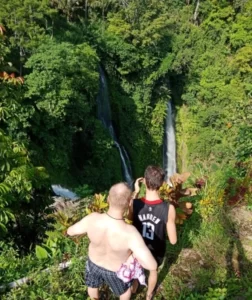
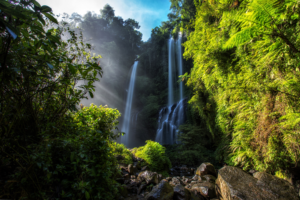
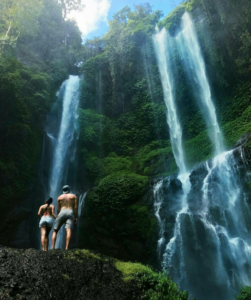
The journey takes you through a landscape of tropical plants, village surroundings, stone steps, and descending paths. Depending on the route you choose, you may also explore rice terraces and visit viewpoints around Sekumpul and Fiji Waterfalls.
Expect a combination of walking and climbing
The trail is not a uniform paved walkway. You may encounter:
- Uneven steps and sloping paths.
- Narrow sections that require attention.
- Wet or slippery surfaces near water.
- Changes in elevation along the descent and return climb.
- Natural scenery that encourages frequent stops for photographs.
These conditions make appropriate footwear and a manageable walking pace important. Although the route offers rewarding views, you should not treat the trek as a casual stroll suitable for every fitness level.
Prepare for the return journey
One detail that visitors sometimes overlook is the climb back from the waterfall area. Descending may feel manageable because you are moving toward the attraction, but returning uphill can require more effort.
Therefore, conserve your energy during the descent, take breaks when necessary, and avoid rushing to keep up with other visitors.
If you are planning your first visit, the Sekumpul & Fiji Waterfalls website provides information about the local trekking experiences available in Lemukih Village.
2. How Difficult Is the Sekumpul Waterfall Trek?
The difficulty depends on your physical condition, the route you select, weather conditions, and how comfortable you feel walking on uneven terrain.
For someone who regularly hikes, climbs stairs, or walks on natural trails, the trek may feel manageable with appropriate preparation. However, visitors who rarely exercise may find the descending steps and uphill return more demanding than expected.
Assess your fitness before choosing a route
Before booking, consider these questions:
- Can you walk continuously for an extended period without significant discomfort?
- Are you comfortable climbing and descending stairs?
- Can you maintain your balance on uneven or wet ground?
- Do you have any mobility limitations that could affect your ability to navigate steep paths?
Your answers can help you decide whether a shorter visit or a longer trekking experience is appropriate.
If you have knee problems, balance difficulties, or a medical condition that affects exercise tolerance, seek appropriate medical advice before attempting a demanding route. Also, discuss your limitations with the local operator before making arrangements.
Choose a comfortable walking pace
You do not need to rush through the trek to enjoy it. Instead, take short breaks, drink water regularly, and pay attention to how your body feels.
If you become unusually breathless, dizzy, or unsteady, stop and rest. Tell your guide if symptoms persist or worsen.
The goal is to complete a suitable route safely, not to cover the trail as quickly as possible.
3. How Long Does the Trek Take?
The duration depends on the trekking option, your walking pace, the number of stops you make, and the conditions on the day.
The local operator advertises three main experiences, each designed for a different type of visit.
Short trek: A focused waterfall experience
The short option generally takes around 1.5 to 2 hours, according to the operator’s published package information.
It includes a local guide, access to the waterfall area, a welcome drink, a big swing, and motorcycle transfers between the parking area and trekking starting point.
This option may suit visitors with limited time who want to focus on the waterfall experience rather than exploring every surrounding attraction.
Medium trek: Waterfalls and rice terraces
The medium option takes approximately three hours, according to the operator.
In addition to waterfall access, the advertised package includes access to upper waterfall viewpoints and rice terraces, a local guide, a welcome drink, a big swing, and motorcycle transfers.
Choose this experience if you want to combine waterfall scenery with a closer look at the agricultural landscape around Lemukih Village.
Long trek: A more extensive outdoor adventure
The long option takes approximately four to five hours. The advertised inclusions feature waterfall access, rice terraces, a natural waterslide, cliff-jumping areas, lunch, a local guide, and motorcycle transfers.
Activities involving natural water and cliff jumping depend on current conditions and safety guidance. Do not assume every activity will be available or suitable for you.
You can review the Sekumpul Waterfall Short Trip package if you prefer a shorter experience.
Keep in mind that advertised durations are planning estimates rather than guarantees. Allow extra time for transport, rest breaks, photographs, and the return journey.
4. What Should You Wear and Bring?
Packing the right equipment helps you move comfortably and reduces the chance of avoidable problems on the trail.
You do not need an elaborate hiking setup for every route. Nevertheless, you should prepare for uneven terrain, humidity, possible rain, and contact with water.
Choose suitable footwear
Wear shoes with reliable grip and a secure fit. Hiking shoes or suitable trail footwear can help you maintain traction on uneven ground.
Avoid relying on smooth-soled footwear, fashionable shoes, or loose sandals that may slip or move around while you walk. Even when the weather looks dry, areas near waterfalls can remain wet.
Pack the essentials
Bring a small bag containing:
- Drinking water.
- A waterproof pouch for your phone and valuables.
- Sunscreen and insect repellent.
- A change of clothes if you expect to get wet.
- Personal medication and basic necessities.
- A small towel if you plan to participate in water activities.
Keep your belongings lightweight. A heavy backpack can make steep sections more tiring and affect your balance.
Dress for a tropical environment
Lightweight, breathable clothing is generally practical for Bali’s warm and humid conditions. Choose clothing that allows you to move freely, particularly when climbing stairs or walking along narrow paths.
If rain is forecast, consider a lightweight rain jacket. However, remember that rain protection does not make a slippery trail safe. Follow local advice if conditions deteriorate.
5. How to Stay Safe on the Trail
Waterfall trekking requires more attention than an ordinary walk through a park. Slippery rocks, steep steps, changing water conditions, and uneven surfaces can all create hazards.
A few straightforward precautions can help you manage these risks.
Follow your local guide’s instructions
A guide familiar with the area can help you navigate the route, identify appropriate access points, and understand local conditions.
Stay on the recommended path and avoid entering restricted areas. Do not wander away from your group simply to find a different viewpoint or take photographs.
When approaching a steep section, use available handrails where provided, watch your footing, and allow enough space between yourself and other walkers.
Be cautious around water
Waterfalls can look calm from a distance while concealing slippery rocks, strong currents, or sudden changes in depth.
Before entering the water, ask your guide whether swimming is permitted and safe under current conditions. Never assume that a natural pool is safe simply because other people are using it.
Cliff jumping requires particular caution. Only consider it when the activity is explicitly permitted, the landing area has been assessed, and your guide confirms that conditions are suitable. If any of these requirements are uncertain, do not jump.
Similarly, avoid natural waterslides when the water flow, landing area, or surface conditions create a risk.
Check the weather before departure
Heavy rain can make trekking surfaces slippery and affect water levels. If conditions become unsafe, your guide may recommend changing the route or cancelling certain activities.
Check the forecast before leaving and ask about local trail conditions. Flexibility is part of responsible outdoor travel.
6. How to Prepare for a Smooth Trekking Experience
Good preparation begins before you arrive at the waterfall. Confirming a few details in advance can save time and help you choose an experience that suits your needs.
First, arrange transport to Lemukih Village and confirm the exact meeting point. Some access paths are narrow and unsuitable for ordinary cars, so ask whether you need to park elsewhere and use a local motorcycle transfer.
Next, confirm what your chosen package includes. Check the guiding service, waterfall access, expected duration, and any additional activities you want to experience.
Finally, allow sufficient time for the entire outing. Do not schedule another activity immediately after your expected trekking finish, particularly if you need to travel back to southern Bali.
For more information about the destination and available local experiences, visit the Sekumpul & Fiji Waterfalls website.
A little planning can make a significant difference. When you understand the trail, prepare suitable footwear, choose a realistic route, and follow local safety advice, you can focus on the waterfalls and the surrounding landscape rather than worrying about what comes next.
Frequently Asked Questions
1. Is the Sekumpul Waterfall trek difficult?
The trek involves uneven paths, steps, elevation changes, and a return climb. Difficulty varies according to fitness, weather, and the selected route.
2. How long does the Sekumpul Waterfall trek take?
The advertised duration is around 1.5–2 hours for the short trek, three hours for the medium trek, and four to five hours for the long trek. Actual times may vary.
3. What shoes should I wear for the Sekumpul Waterfall trek?
Wear secure walking or hiking shoes with good grip. Avoid smooth soles and footwear that can slip on wet rocks or uneven steps.
4. Do I need a local guide for the trek?
A local guide can help you navigate the trekking area, understand trail conditions, and identify appropriate waterfall access points. Confirm the guiding arrangements before visiting.
5. Can beginners do the Sekumpul Waterfall trek?
Some beginners may manage a shorter route if they have sufficient mobility and fitness. However, steep steps and slippery surfaces can be challenging, so choose carefully and follow local guidance.
[…] For more information about the physical demands of the route and what to expect along the way, read our guide to Sekumpul Waterfall trekking conditions. […]