

Visiting Sekumpul Waterfall with kids can be a memorable family adventure, but it requires more planning than a typical sightseeing trip in Bali. The journey to northern Bali can take several hours from popular tourist areas, and reaching the waterfalls may involve stairs, uneven paths, slippery surfaces, and walking in a tropical environment.
For parents, the main question is not simply whether children can visit Sekumpul Waterfall. It is whether the chosen route, weather conditions, and walking distance suit their children’s ages and abilities.
With realistic expectations and careful preparation, families can make better decisions about which trekking option to choose, what to pack, and when to turn back. This guide explains how to plan a family visit to Sekumpul Waterfall while putting children’s comfort and safety first.
Is Sekumpul Waterfall Suitable for Children?
Sekumpul Waterfall can be an appealing destination for families who enjoy nature, but the trekking experience is not equally suitable for every child. The route may include many steps, uneven ground, and areas where rain makes the surface slippery. Children who tire quickly or struggle with stairs may find the walk challenging.
Age alone does not determine whether a child can manage the trek. A confident child who regularly walks outdoors may cope better than an older child who rarely exercises. Parents should consider stamina, balance, willingness to walk, and the ability to follow safety instructions.
Before deciding, ask yourself:
- Can your child comfortably walk for an extended period?
- Can they manage stairs without constant physical assistance?
- Will they follow instructions near water and on narrow paths?
- Can you supervise them closely throughout the visit?
- Does your chosen route allow enough time for breaks?
If you have toddlers or children with limited mobility, discuss the terrain with your trekking operator before booking. Do not assume that every section is accessible for young children or that you can carry a child safely throughout the trek.
For additional information about the physical demands, read this guide to Sekumpul Waterfall trek difficulty.
Choose a Trek That Matches Your Family’s Ability
Selecting the right route is one of the most important decisions when visiting Sekumpul Waterfall with kids. A shorter itinerary can reduce the time spent walking, while longer routes may involve more terrain and additional activities.
Short trek for a more manageable visit
The short trek is advertised at approximately 1.5–2 hours. It may suit families who want a more compact experience without committing to an extended outing.
However, shorter does not automatically mean easy. Children still need to manage the terrain, and parents must account for rest breaks and the walk back to the starting point.
Before booking, ask the operator about the number of steps, steep sections, and the actual route. Explain your children’s ages and ask whether the itinerary suits their abilities.
Medium trek for families with confident walkers
The medium trek is advertised at approximately three hours and can include access to more waterfalls and nearby rice terraces, depending on the current package.
This option may work for families whose children regularly walk outdoors and have sufficient stamina. Nevertheless, a longer route can become tiring in warm or humid weather, particularly when the trail is wet.
Long trek for families with older, active children
The long trek is advertised at approximately four to five hours. It may appeal to families with older children who enjoy extended outdoor activities and can manage longer walks.
Some package descriptions also include activities such as natural water slides and cliff jumping. These activities are not appropriate for every child and should never become an expectation simply because they appear in an itinerary.
Choose the shortest route that meets your family’s goals comfortably. You can always plan a longer trekking experience on another visit when your children have more experience and stamina.
How to Keep Children Safe on the Trail
Close supervision matters throughout the trek, not just when you reach the waterfall. Children may become distracted by the scenery, rush ahead, or underestimate how slippery a path can be.
Stay together on stairs and narrow paths
Keep children within arm’s reach on steep steps, narrow sections, and slippery ground. Let them walk at a comfortable pace rather than encouraging them to hurry.
Use handrails where available, and avoid allowing children to run or overtake other visitors on difficult sections. If the path becomes crowded, stop in a safe place and wait until there is enough room to continue.
Set clear rules near water
Waterfall pools and streams can have uneven depths, submerged rocks, and currents that are difficult to judge from the bank.
Explain the rules before reaching the water:
- Stay with a parent or designated adult.
- Do not enter the water without permission.
- Never climb wet rocks or approach cliff edges.
- Do not cross flowing water independently.
- Follow the guide’s instructions immediately.
Even confident swimmers can face risks in natural water. Do not assume that a shallow-looking pool is safe for children.
Know when to stop
If your child becomes exhausted, frightened, dizzy, or unable to manage the terrain safely, pause and reassess the route. Tell your guide what is happening and ask about the safest way to return.
Do not continue simply because you have already invested time in the trek. Your child’s safety matters more than reaching a particular viewpoint.
What Should Families Pack for Sekumpul Waterfall?
A family trek requires a little more preparation than an outing with adults alone. Children may need extra water, frequent breaks, and clothing that remains comfortable when the weather changes.
Pack these essentials:
- Footwear with good grip: Choose secure outdoor shoes that suit wet, uneven paths.
- Drinking water: Bring enough for the children and adults, taking the walking duration and weather into account.
- Lightweight clothing: Breathable clothes help children stay comfortable during the walk.
- A change of clothes: Children may get wet from rain or waterfall spray.
- A small first-aid kit: Include basic supplies for minor scrapes and blisters.
- Waterproof protection: Use a dry bag for phones, booking details, and valuables.
- Sun and rain protection: Check the forecast and prepare for changing conditions.
- Snacks: Bring suitable snacks for children who may need energy between breaks.
Keep bags light so adults can move safely while supervising children. If you bring a toddler, consider whether you can safely manage the terrain while carrying them. A baby carrier does not eliminate the risks associated with steep or slippery steps.
Before departure, confirm whether your trekking package includes a welcome drink, local motorcycle transfers, or other services. Do not assume that a package designed for general visitors automatically provides child-specific equipment or assistance.
Best Time to Visit and How to Plan Your Day
Families benefit from a schedule that leaves enough time for travel, walking, breaks, and the return journey. Sekumpul Waterfall lies in northern Bali, so visitors staying in southern areas may spend several hours travelling each way.
An early departure can provide more flexibility, especially if traffic delays your journey. Confirm your meeting point, transport arrangements, and expected trekking duration before leaving your accommodation.
Check the weather first
Rain can make stairs, rocks, and natural paths more slippery. It may also affect water conditions around the waterfalls.
Check the forecast before travelling and ask your local operator about recent conditions. If heavy rain makes the trail unsafe, consider changing your plans rather than pushing ahead with children.
Build breaks into the itinerary
Children may need more frequent stops than adults. Allow time for drinking water, snacks, photographs, and rest without rushing them.
Avoid combining a demanding trek with too many other attractions in one day. A realistic schedule reduces fatigue and makes it easier to return before everyone becomes exhausted.
Confirm the route before booking
Tell the operator that you are travelling with children and provide their ages. Ask about stairs, steep sections, walking distance, access restrictions, and whether the route offers a practical turnaround point.
For current destination information and trekking options, visit the Sekumpul & Fiji Waterfalls website.
Common Mistakes Parents Should Avoid
A few common planning mistakes can turn a family adventure into an uncomfortable experience. Fortunately, most are easy to prevent.
Choosing a route based only on duration. A two-hour trek may still include steep stairs or slippery surfaces. Ask about the terrain, not just the estimated time.
Underestimating the return walk. Children may feel energetic at the beginning and become tired on the way back. Save enough energy and time for the entire route.
Letting children explore ahead. Waterfall trails can include narrow paths and sudden changes in terrain. Keep children close and maintain direct supervision.
Ignoring changing weather. If rain makes the trail slippery or water conditions deteriorate, follow local guidance and adjust the itinerary.
Trying to complete every activity. Families do not need to visit every viewpoint or participate in every activity to enjoy the destination. Skip anything that exceeds your child’s comfort or ability.
The best family visit is not necessarily the longest one. It is the one that allows everyone to enjoy the surroundings while remaining comfortable and safe.
Frequently Asked Questions
1. What age is suitable for visiting Sekumpul Waterfall?
There is no single age that guarantees suitability. Consider your child’s walking ability, stamina, balance, and capacity to follow safety instructions. Ask the operator about the terrain before booking.
2. Is the Sekumpul Waterfall trek safe for toddlers?
The route may be challenging for toddlers because of stairs, uneven paths, and slippery surfaces. Discuss the specific route with your operator and consider whether you can supervise and assist your toddler safely throughout the walk.
3. Which trek is best for families with children?
The short trek may be the most practical starting point for families with limited time, but its terrain still requires assessment. Choose according to your children’s abilities rather than duration alone.
4. Can children swim at Sekumpul Waterfall?
Do not assume that swimming is safe at every location. Water depth, currents, submerged rocks, and weather can change conditions. Follow local guidance and supervise children closely near all natural water.
5. What should children wear to Sekumpul Waterfall?
Choose comfortable clothing and secure footwear with good grip. Bring drinking water, a change of clothes, and suitable protection against rain.
Plan a Family-Friendly Sekumpul Waterfall Visit
Sekumpul Waterfall can offer families a memorable way to experience northern Bali’s natural landscape, provided they choose a suitable route and prepare for the terrain. Start by assessing your children’s abilities, checking current trail conditions, and allowing enough time for breaks and the return journey.
If you are considering a visit, explore the Sekumpul & Fiji Waterfalls website and contact the operator to discuss your family’s needs before choosing a trekking package. A carefully planned, comfortable outing is far more valuable than pushing children through a route that does not suit them.
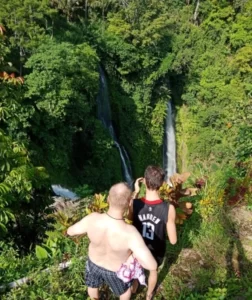


[…] trek should also consider the walking route, stairs, and children’s stamina. This guide to visiting Sekumpul Waterfall with kids offers further advice for planning a family […]